

23 Oct 2026 · Buyer guides
Ceramic vs Steel: Cost per Use and Cost per Sale
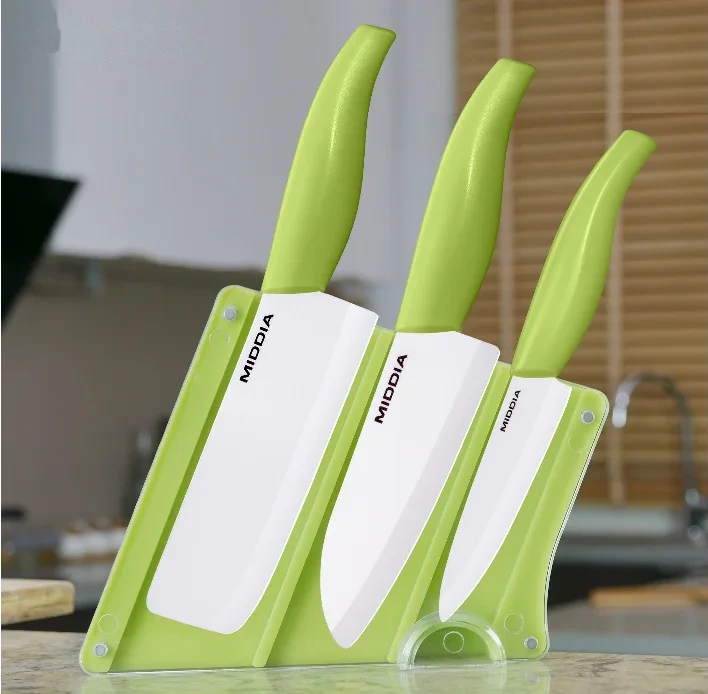
For a wholesale buyer, ceramic versus steel should be evaluated against the intended job, the approved sample and the full cost of supplying the product. Material alone does not establish a selling price, service life or return rate.
Start with the intended use
Compare products of similar size and intended use. For each model, confirm the permitted foods, cutting surfaces, cleaning method, storage and sharpening guidance with the supplier. Do not treat a ceramic cleaver shape as evidence that it can chop bones or frozen food.
Build the landed cost per accepted unit
Add the agreed goods price, packaging, freight, insurance, clearance, applicable taxes and duties, testing, inspection and destination handling. Divide by the number of saleable units received. Use a broker-confirmed classification and current route quotes.
Keep recoverable taxes separate from permanent costs, and record when cash is paid. Samples, tooling, artwork and tests may be one-off project costs rather than recurring unit costs.
Model returns with your own data
Gross margin before returns = net sales revenue minus landed goods cost. Contribution after returns also deducts refunds, replacements, reverse logistics, channel charges and other variable selling costs.
Use low, base and high scenarios for returns and shipping damage. Label every assumed rate. Replace assumptions with your own inspection and sales data after a trial order; no standard ceramic return rate is established by this guide.
Compare service life fairly
Cost per use = purchase price plus maintenance and replacement costs, divided by actual uses. Without comparable usage records, present this as a scenario rather than a measured product advantage. Steel and ceramic prices and maintenance needs vary by model.
Ceramic edges can chip or break under unsuitable loads. Confirm care and maintenance instructions for the exact model. Avoid claims such as “never needs sharpening”, “will not break”, “half the weight” or “prevents fruit browning” without suitable evidence for the product and comparison being advertised.
What to request before choosing a range
- Comparable sample models, their materials and dimensions.
- Written intended-use and care instructions.
- Packaging details and a trial inspection plan.
- Model-specific quotation, minimum order quantity and delivery estimate.
- Relevant market documentation and the scope of any performance tests.
Related reading: wholesale sourcing checklist · measuring packaging damage · building a landed-cost estimate.
Sourcing ceramic tools?
Send the models, target market and quantity and we will come back with a configuration and a quotation.